Messe Leipzig

Leipzig Trade Fair: Usability analysis and UX strategy for the website relaunch

We carried out an in-depth usability and usage data analysis for the planned, comprehensive website relaunch of the Leipziger Messe Group. Focusing on user experience (UX), intuitive navigation and accessible usability, we developed a strategic roadmap and 248 user stories for the design and implementation teams.
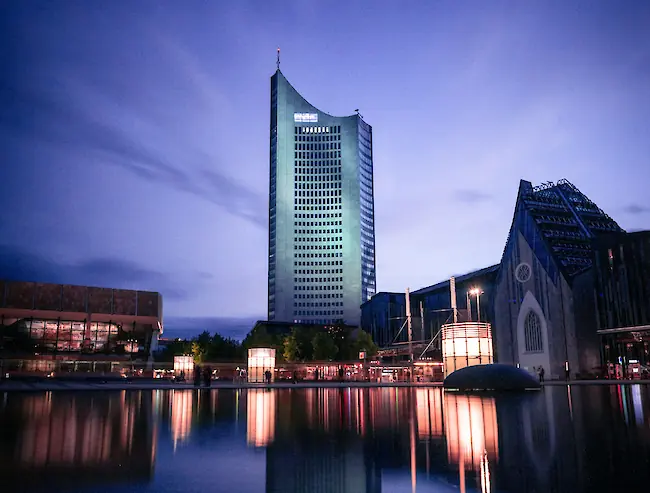

Blue-hour evening view in Leipzig with reflections of a lit high-rise and the university building on a central pond.
  • 248
    user stories
    : UX-optimised use cases for intuitive user guidance.
  • UX benchmark
    : Usability trends
    analysis of modern interaction patterns in digital trade fair communication.
  • 100%
    user-centric
    : A well-founded catalogue of recommendations for accessible and mobile usability.
Modern trade fair communication: the foundation for a forward-looking digital presence.

The task

Background & Challenge

The Leipziger Messe Group operates a diverse web landscape for its various in-house trade fairs, conferences and services. To ensure these platforms were fit for the future, a complete relaunch was on the cards. The main challenges lay in the area of user experience:

  1. Diverse target groups & navigation paths: Exhibitors, trade visitors, members of the press and end consumers have very different needs. They all require a user experience that guides them directly to the relevant content (such as ticket purchases, the exhibitor directory and hall plans) without having to navigate through a maze of clicks.
  2. Identifying usability barriers: Existing web and usage data had to be analysed to uncover friction points, high bounce rates and usability bottlenecks on the existing pages.
  3. Lack of mobile usability: The existing website no longer met modern UX design standards and did not offer an optimal user experience on mobile devices.
  4. UX briefing for external agencies: A clear, conceptually sound set of requirements was needed to serve as a precise template for UX designers and developers to implement usability improvements.

The solution

Our solution & your contribution

We have adopted a purely data-driven and user-centred analytical approach to optimise the usability of the new platforms from the ground up.

  • Detailed usability & UX audit: Analysis of existing websites to identify usability weaknesses, click paths, forms and navigation structures.
  • UX benchmarking & trend scouting: Evaluation of international best practices for modern interaction design, improved search functions and an intuitive information architecture.
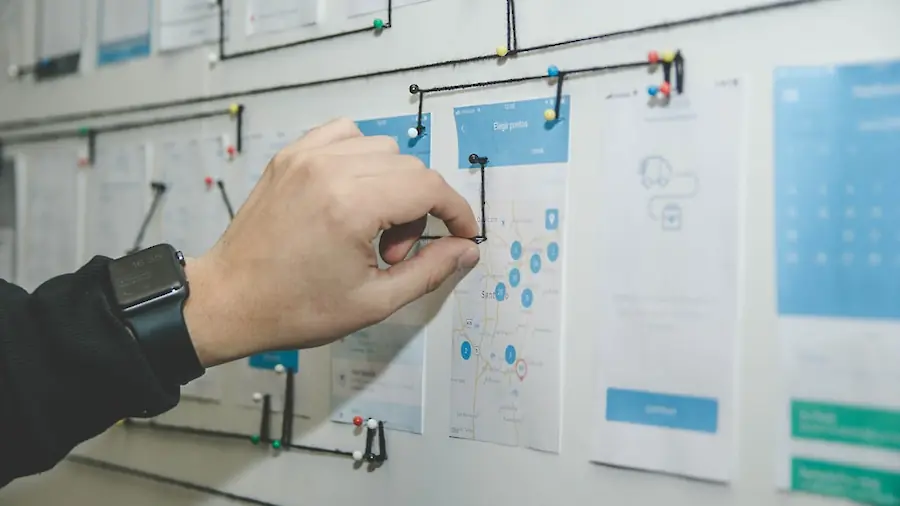
  • User story workshops for optimal usability: Focus group workshops with stakeholders from Messe Leipzig to develop 248 user stories that precisely define usability requirements from the user’s perspective.
  • Usability Recommendations Catalogue (UX Guidelines): A comprehensive guide providing clear guidelines for the design and development team regarding information architecture, responsive layouts (mobile usability) and accessibility.
Collaborative design: Development of 248 user stories in focus group workshops.

Ready when you are

Tell us where the problem lies.

Is a process taking too long? Is a system not integrating properly? Is a solution missing? Describe it in one sentence and we’ll tell you what’s possible.

Telephone: +49 341 24892188
Email: ed.ytilibuoy@onullfni